
Week 1 - Contents
1 — Input vs. Output
1.a — Anatomy of a Wave
1.a.i — Digital Reverb Types
Delay Time
What is an “Audio Engineer?”
This is a broad term and can cover a bunch of different kinds of engineer within the audio space. Some (and not necessarily all) are:
- Recording Engineer – This is the person in the studio setting up microphones for drums, instruments, vocalists, etc. and making sure that all the gear is connected, on, working, and sets the levels on their mixing desks / computers.
Often you can be all of these things if you’re working for yourself or a smaller studio, however in larger studios it is more common that each role is kept separate.
"So the input is more of a recipient, and output more of a provider."
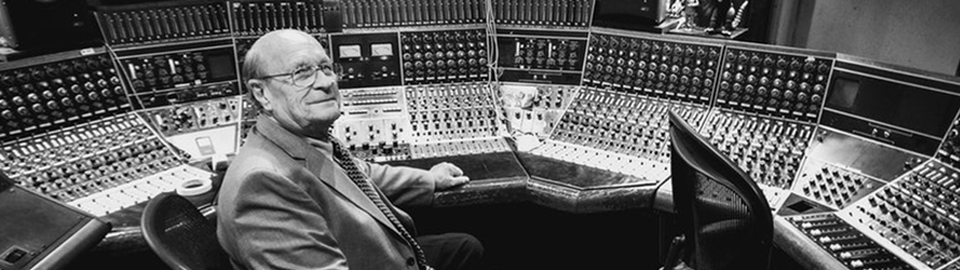
The late Rupert Neve – the “Steve Jobs of Audio” – who revolutionized audio recording forever.
2 — What is Sound?
The scientific explanation would be something like:
The term Hertz (Hz) is the unit of frequency that is most often used to measure sine waves and musical tones, and is defined as “one cycle per second.” You will have likely heard of “kilohertz” or “megahertz” at some stage, and this is (most likely) what was being referenced.
A “cycle” consists of a single Peak and single Trough, making up 1 Hert.
Therefore 1,000 cycles = 1 kHz (1 kilohertz). We’ll touch on Hertz and frequency again shortly to provide some practical context for the terms.
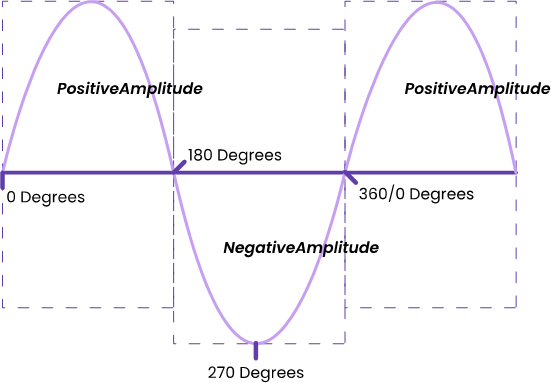
The Phase of a sound wave is basically “how far along a waveform is in its current cycle”.
The scope of this course doesn’t require an in-depth study of the various aspects of audio phase, but you can find some excellent further reading here.
However, to provide a visual aid to support the above definition, please refer to the below graph (found at the same link):
3 — Frequency
- Infrasound — This covers sounds that have a frequency below 20 Hz.
- Some animals communicate with each other using infrasound, such as rhinos, hippos, elephants, whales, octopuses, squid…even pigeons use infrasound!
Using Infinity EQ from Slate Digital, Neth created an “expanded” look at generally accepted frequency ranges, beyond the basic ranges discussed to the left. It should be noted that, for voiceovers (in the beginning, at least) understanding the low / mid / high breakdown is all you need.
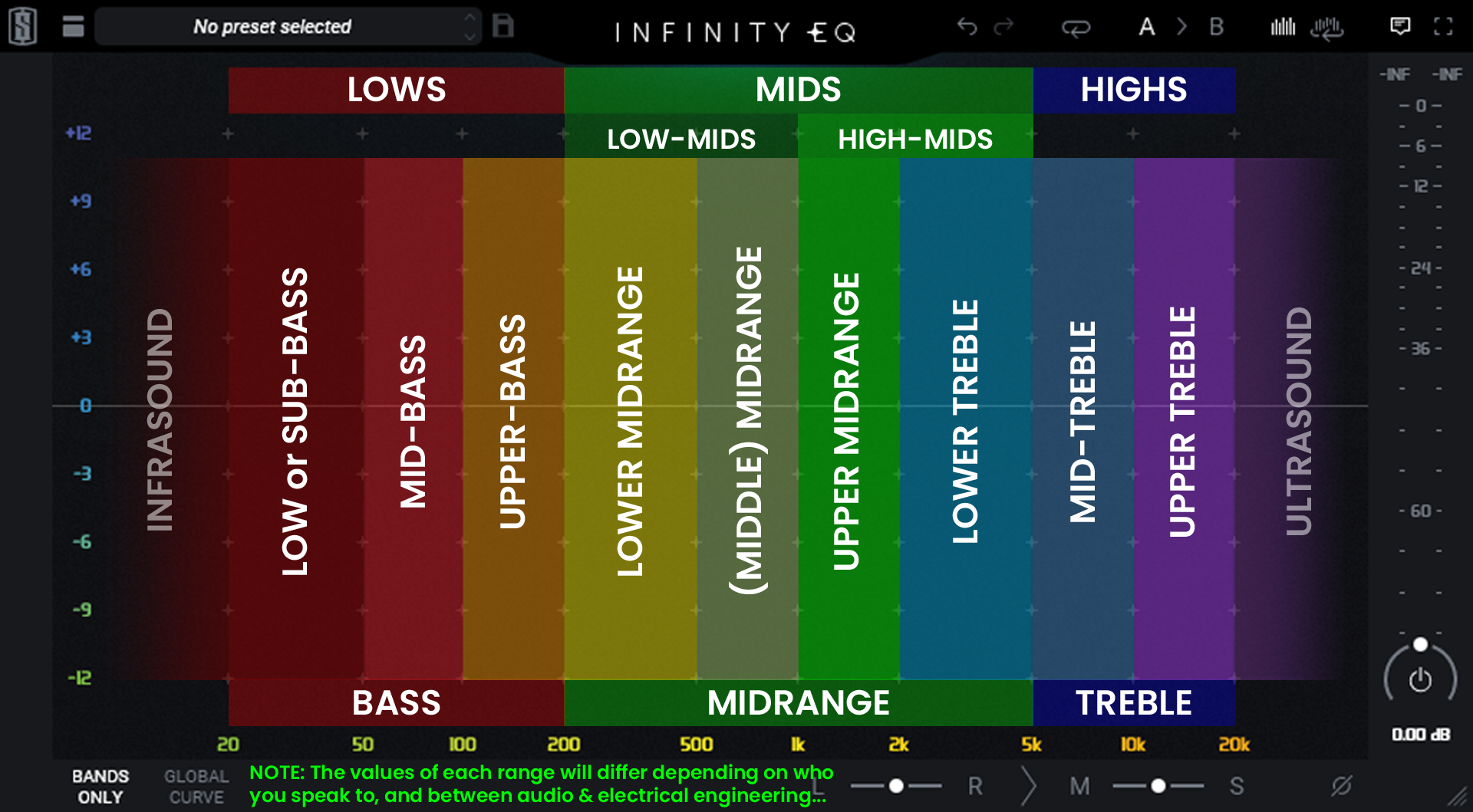
(click the image to see a larger size)
4 — The Microphone Continued
4.a — Mic Preamplifier ("Preamp" or simply "Pre")
4.b — Converters
4.b.i — Analog → Digital
4.b.ii — Digital → Analog
4.c — Mic Address & Technique
4.c.i — Front & Back of the Mic
4.d — Mic Patterns (aka "Polar Patterns" or "Pickup Patterns")
4.d.i — Omnidirectional ("Omni")
4.d.ii — Cardioid
4.d.ii.1 — Supercardioid
4.d.ii.2 — Hypercardioid
4.d.iii — Figure of Eight (aka "Bidirectional")
4.d.iv — Lobar
5 — Switch / Buttons on Your Microphone
6 — Sample Rate
7 — Bit Depth
7.a — Bit Depth vs. Bitrate
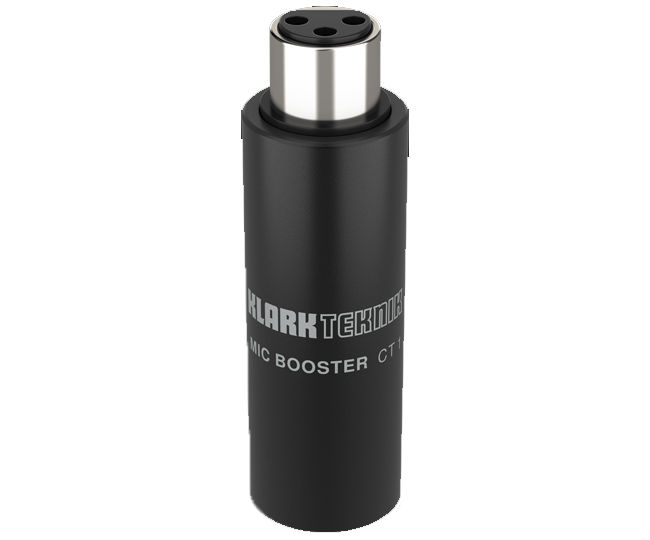
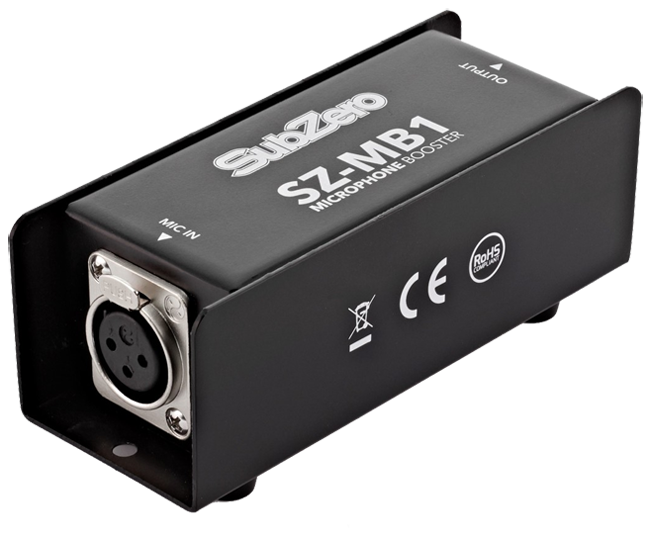
SZ-MB1 by SubZero (a Gear4Music.com brand I believe)
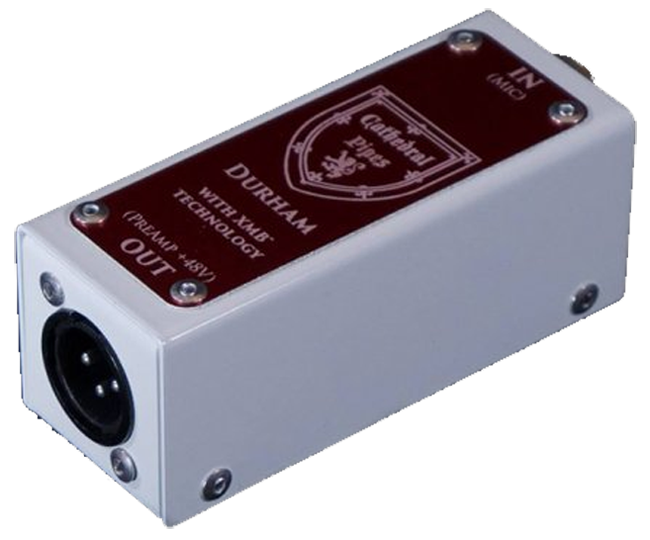
Durham MKII by Cathedral Pipes
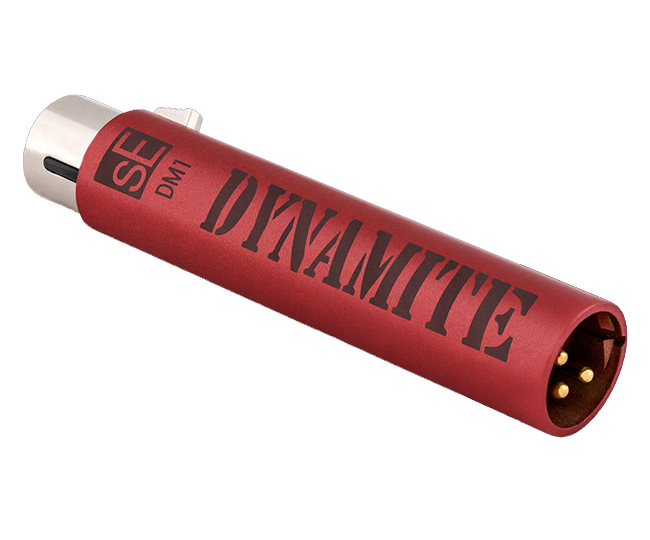
DM1 Dynamite by sE Electronics
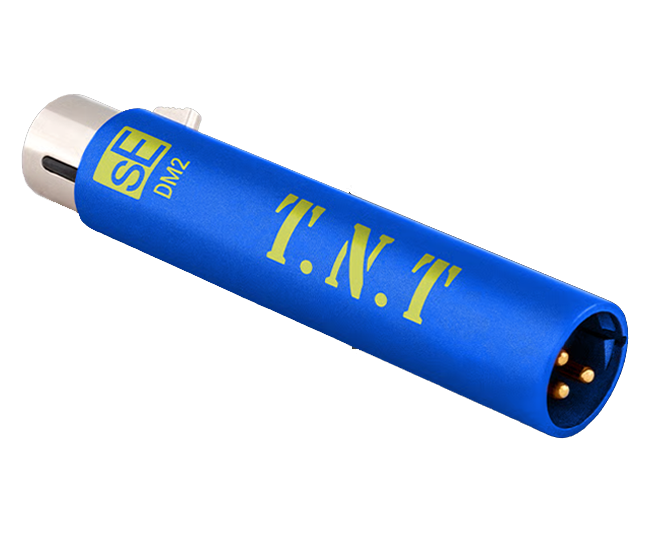
DM2 TNT by sE Electronics
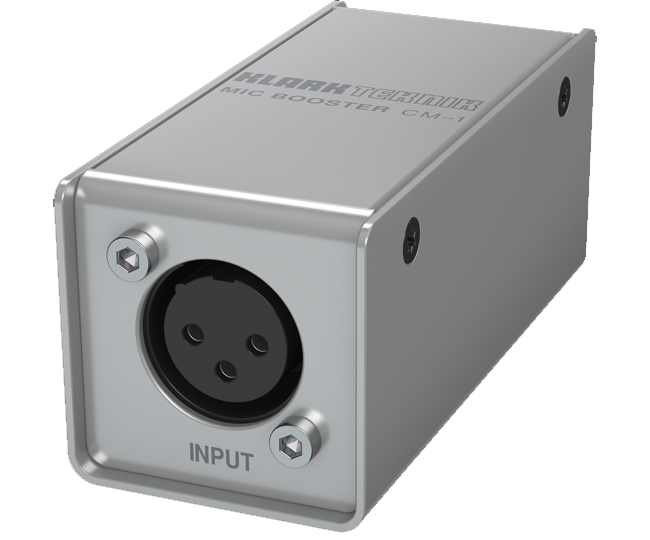
8 — Quantization
9 — Impedance
10 — Ohms Ω (234)
You’ve reached the end of Neth’s Notes™ — ↑ Back to Top ↑